





Where bars lose money after dark
Walkouts on open tabs
A guest leaves with a $90 tab and no card on file. By closing time, nobody remembers who served them.
Overpours and unrecorded drinks
Heavy pours, free rounds for regulars, and drinks never rung in. Liquor cost creeps up with no clear cause.
Slow screens at a busy well
Digging through menus to find a vodka soda costs seconds per drink and loses sales when the bar is three deep.
Disputes the week after
"I didn't order that" chargebacks arrive days later. Without a time-stamped, itemized tab, they are hard to win.
A bar and a nightclub need different things
Both pour drinks. After that, the setups split. We configure yours for how your venue actually runs.
Bars, pubs, and taprooms
Regulars, tabs, and happy hour
- Tabs by name, with card pre-authorization
- Happy hour and daily specials that switch on schedule
- Food and drink on the same check, with kitchen tickets
- Handhelds for the patio and table service
Nightclubs and lounges
Door, volume, and bottle service
- Cover charges and guest entries at the door, with ID prompts
- Several bar stations on one shared menu and report
- Bottle service and VIP tables with larger holds and minimums
- Fast close-out for hundreds of tabs at last call
What your bar POS should do
Pre-authorized tabs
Hold a card when a tab opens, add drinks all night, and charge the final total at close.
Quick keys for your top drinks
Your best sellers one tap away, with modifiers like double, neat, or up.
Scheduled happy hour pricing
Prices switch on and off by day and time, with no manual discounts.
Liquor inventory by recipe
Each drink deducts its pours from bottle stock, so you can spot variance week to week.
Comps and voids with approval
Manager approval and a reason for every comp or void, logged by bartender.
Tip pooling and tip-outs
Split tips across bartenders and barbacks by your rules, ready for payout.
Door sales
Cover charges and entries on a handheld, reported separately from bar sales.
Itemized, time-stamped receipts
Every drink, time, and server on record, which helps when a dispute comes in.
How recipe-based inventory finds missing liquor
Each drink is set up with its pour sizes. Every sale deducts those ounces from the bottle count. Compare what should be left with what is actually on the shelf, and the gap is your variance.
Consistent variance on one product or one shift usually points to overpouring, comps not rung in, or drinks not recorded. Measuring every individual pour to the ounce needs a separate pour-control or scale system; recipe tracking gets most bars most of the way there.
House vodka, one week
- Expected (from sales)
- 168 oz
- Actual (bottle count)
- 201 oz
Variance
+33 oz (about 20%)
At 1.5 oz per pour
about 22 drinks
Fewer chargebacks after the big nights
Bars see more card disputes than most businesses, often from guests who do not recognize a late-night charge. These habits make disputes rarer and easier to win.
Clear name on the statement
We set your billing descriptor to a name guests will recognize the next morning.
Itemized tab history
Each drink with a time stamp and server, ready to send when a dispute arrives.
Signatures or tip confirmation on big tabs
A confirmed total at close is strong evidence that the guest agreed to the charge.
Fast responses
Disputes have deadlines. We show you where to find the records and how to respond.
Recommended setups

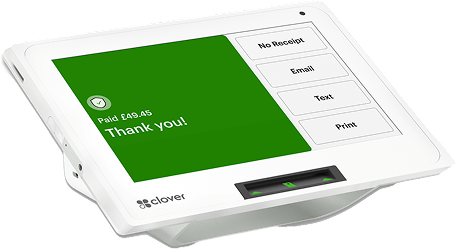
Neighborhood bar
One bar, a few tables
- Countertop station at the bar
- One handheld for tables or patio
- Receipt printer and cash drawer
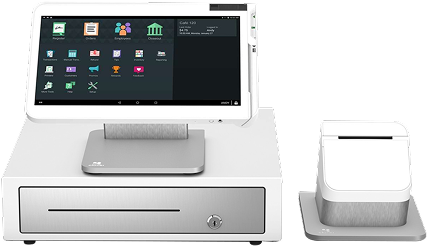
High-volume bar or brewpub
Two wells, full food menu
- A station at each well on one shared menu
- Kitchen printer or kitchen display
- Handhelds for the floor
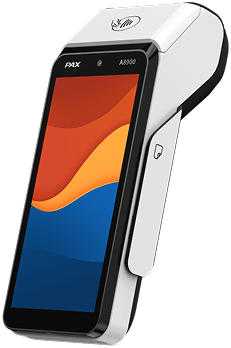
Nightclub or lounge
Door, several bars, VIP
- Handheld at the door for cover and ID prompts
- Stations at every bar
- Handhelds for bottle service and VIP tables
Card fees on every round add up
Bars run a high share of card sales, often with large tips on top. A cash discount program lets card guests cover the cost of card acceptance, so processing fees stop eating into your pour cost savings.
Questions to ask before you pick a bar POS
Ask any provider these, including us.
Serving full dinners too? See our restaurant POS system.
- Can I open a tab with a card hold, and change the hold amount?
- Does happy hour pricing switch on and off by itself?
- Can I track liquor by drink recipe and see weekly variance?
- Do comps and voids need a manager and a reason?
- Can I split tips between bartenders and barbacks by my rules?
- Can the door sell cover on the same system as the bar?
- What is the full monthly cost, including hardware, software, and processing?
- Can I reach support at 1 AM on a Saturday?
From quote to first round
Tell us about your venue
Bar stations, door, food menu, table or VIP service, and how you tip out.
Menu and recipes loaded
Drinks, pours, modifiers, happy hour rules, and tab holds set up for you.
Setup and staff walkthrough
Hardware ships configured, and we walk your bartenders through tabs and quick keys.
Open the doors
Most bars are live within 24 to 48 hours.
Bar and nightclub POS questions, answered
The best bar POS opens tabs with a card pre-authorization, has a fast bartender screen with quick keys for your top drinks, switches to happy hour prices automatically, tracks liquor inventory by drink recipe, and handles tip-outs. For most bars that means a countertop Clover station at each well, plus a handheld for the floor or patio.
When a guest opens a tab, the POS places a temporary hold on their card for a set amount. Drinks are added to the tab through the night, and the final total is charged when the tab closes. If a guest leaves without closing out, you still have a card on file for the tab, up to your policy and the amount authorized.
Yes, by drink recipe. Each cocktail is set up with its pour sizes, so every sale deducts the right amount from bottle inventory. Comparing expected usage with your weekly bottle count shows variance from overpours, comps or unrecorded drinks. Measuring every pour to the ounce requires a separate pour-control or scale system.
Yes. Time-based pricing switches selected drinks to happy hour prices on the days and hours you choose, and switches them back automatically, so bartenders do not have to discount by hand.
Yes. A handheld terminal at the door can sell cover charges and guest entries, with ID prompts, and those sales appear in the same reports as bar sales but in their own category.
Keep itemized, time-stamped tab records, collect signatures or tip confirmations on larger tabs, show your business name clearly on card statements, and respond to disputes quickly with the tab history. A POS that stores all of this makes disputes much easier to win.
Most bars are live within 24 to 48 hours. We load your drink menu, recipes, happy hour rules and tip-out settings before your first shift.
Get a POS that keeps up with last call
Tell us about your venue and we will recommend a setup, with the full monthly cost upfront.
Get a bar or nightclub quote